March 10, 2026
Electrical systems in commercial buildings are vastly more complex than residential installations, requiring specialized knowledge, extensive training, and specific expertise that goes far beyond what's needed for household wiring. From powering sophisticated machinery to ensuring safety for hundreds of occupants, commercial electrical infrastructure must meet demands that residential systems never face. When electrical issues arise or new installations are needed, business owners and property managers need professionals who understand the unique demands and challenges of commercial electrical work. The right commercial electrician brings not only technical skills but also the experience to navigate code requirements, safety standards, and the operational needs of diverse business environments. Understanding what these specialized professionals do and why their expertise matters helps business owners make informed decisions about electrical services and contractors.
Understanding the Scope of Commercial Electrical Work
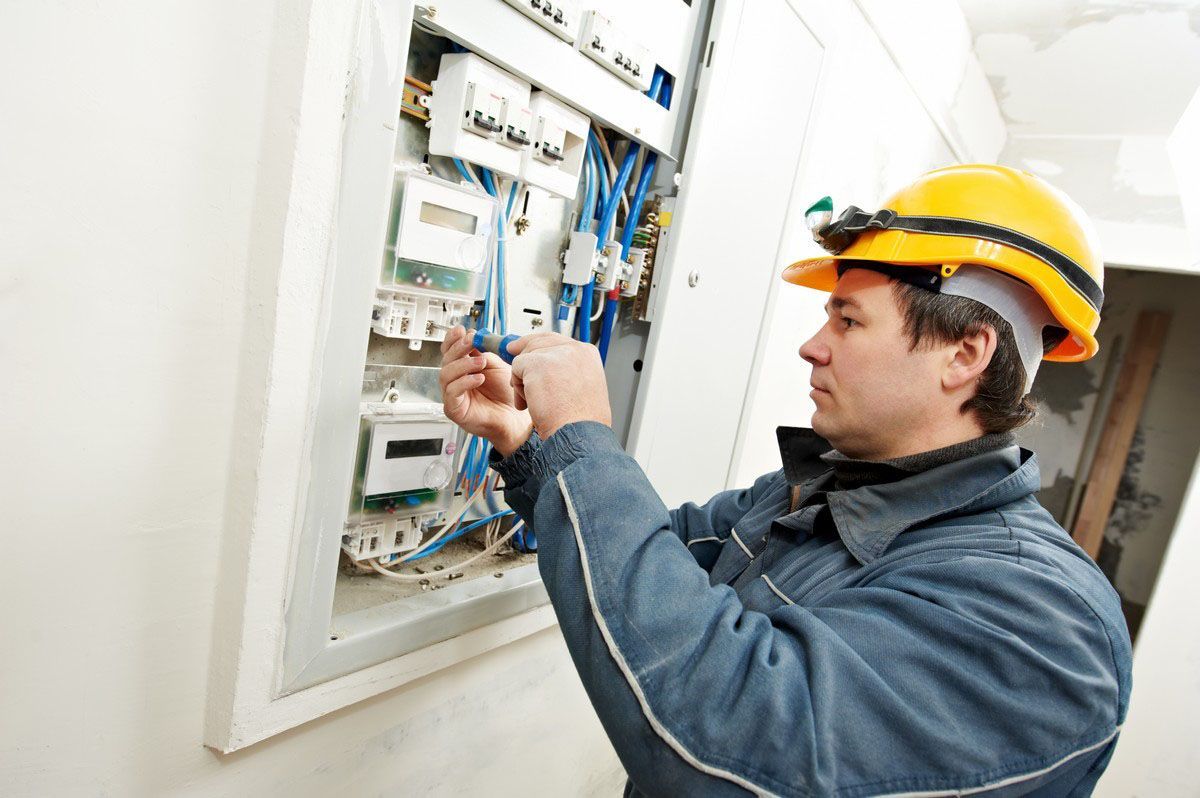
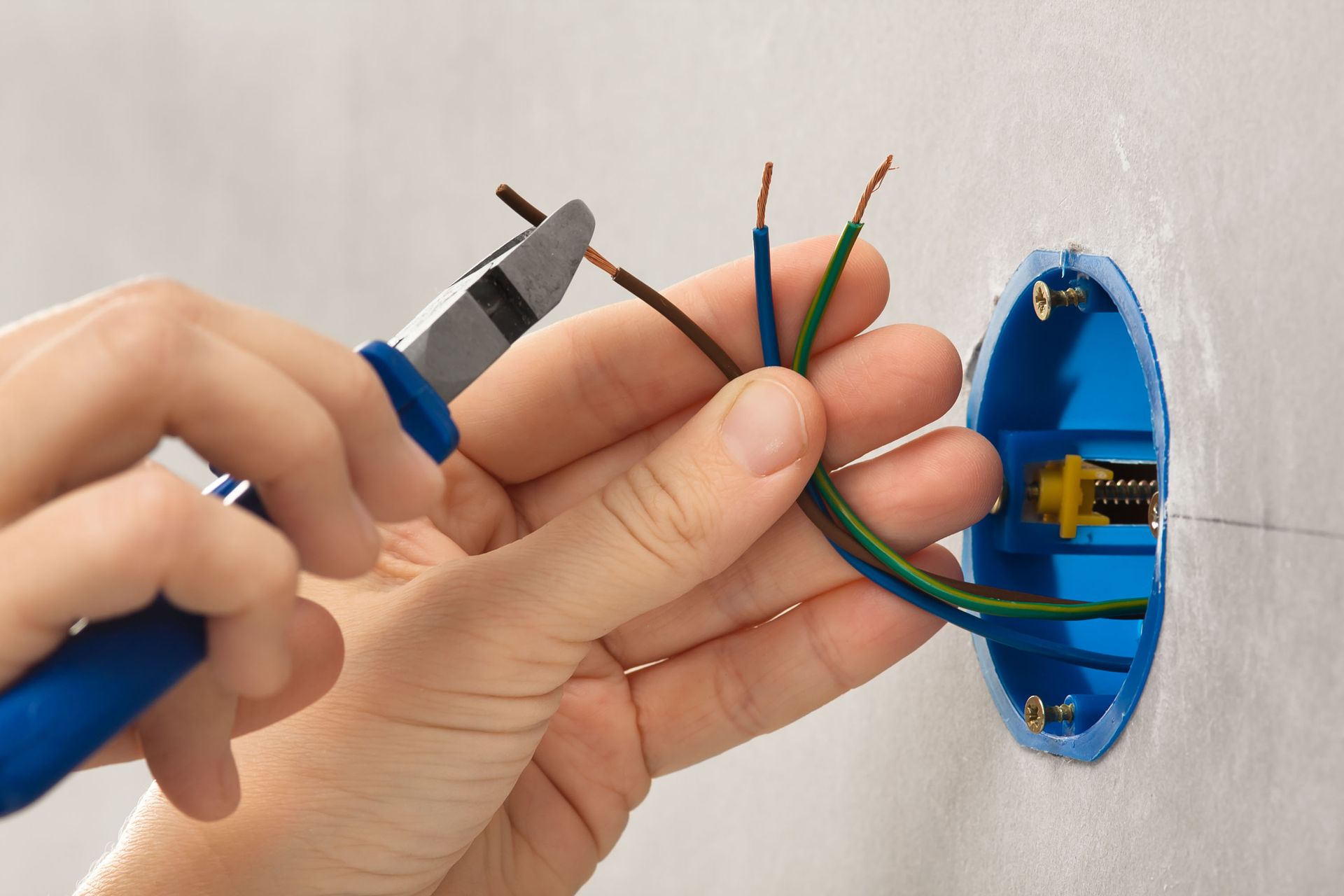
Commercial electrical work encompasses a broad range of services that support the diverse needs of business and industrial facilities, from initial installation to ongoing maintenance and emergency repairs. A commercial electrician handles everything from designing and installing complete electrical systems in new construction to troubleshooting problems in existing buildings and upgrading outdated infrastructure. This work includes electrical work for offices, electrical work for restaurants, and electrical work for warehouses, each with distinct requirements based on the specific operations and equipment involved.
Becoming a qualified electrician requires years of rigorous training, education, and practical experience that prepares professionals for the complex challenges they'll face in commercial settings. According to Condustrial, apprenticeship programs can last three to five years and combine classroom instruction with hands-on experience under the guidance of experienced electricians. State licensing requirements for commercial work typically exceed those for residential electricians, often requiring additional testing, proof of commercial experience, and continuing education to maintain credentials.
Designing Electrical Systems for New Construction
New build electrical services require commercial electricians to work closely with architects, engineers, and general contractors to design electrical systems that meet the specific needs of the planned facility. This design phase involves calculating power requirements for all equipment and systems, planning appropriate circuit distribution, determining panel locations, and ensuring the system can accommodate future growth and modifications. Poor electrical design in commercial buildings can create problems that are expensive or even impossible to correct after construction is complete, making upfront expertise absolutely critical.
Lighting represents a major component of commercial electrical work, with requirements that differ dramatically from simple residential lighting installations in both complexity and importance. A professional electrician designs and installs lighting services that provide appropriate illumination levels for various tasks while minimizing energy consumption and meeting code requirements for emergency egress lighting. Commercial lighting services often involve sophisticated control systems that automatically adjust lighting based on occupancy, time of day, or available natural light to optimize energy efficiency.
Troubleshooting and Repairing Complex Electrical Issues
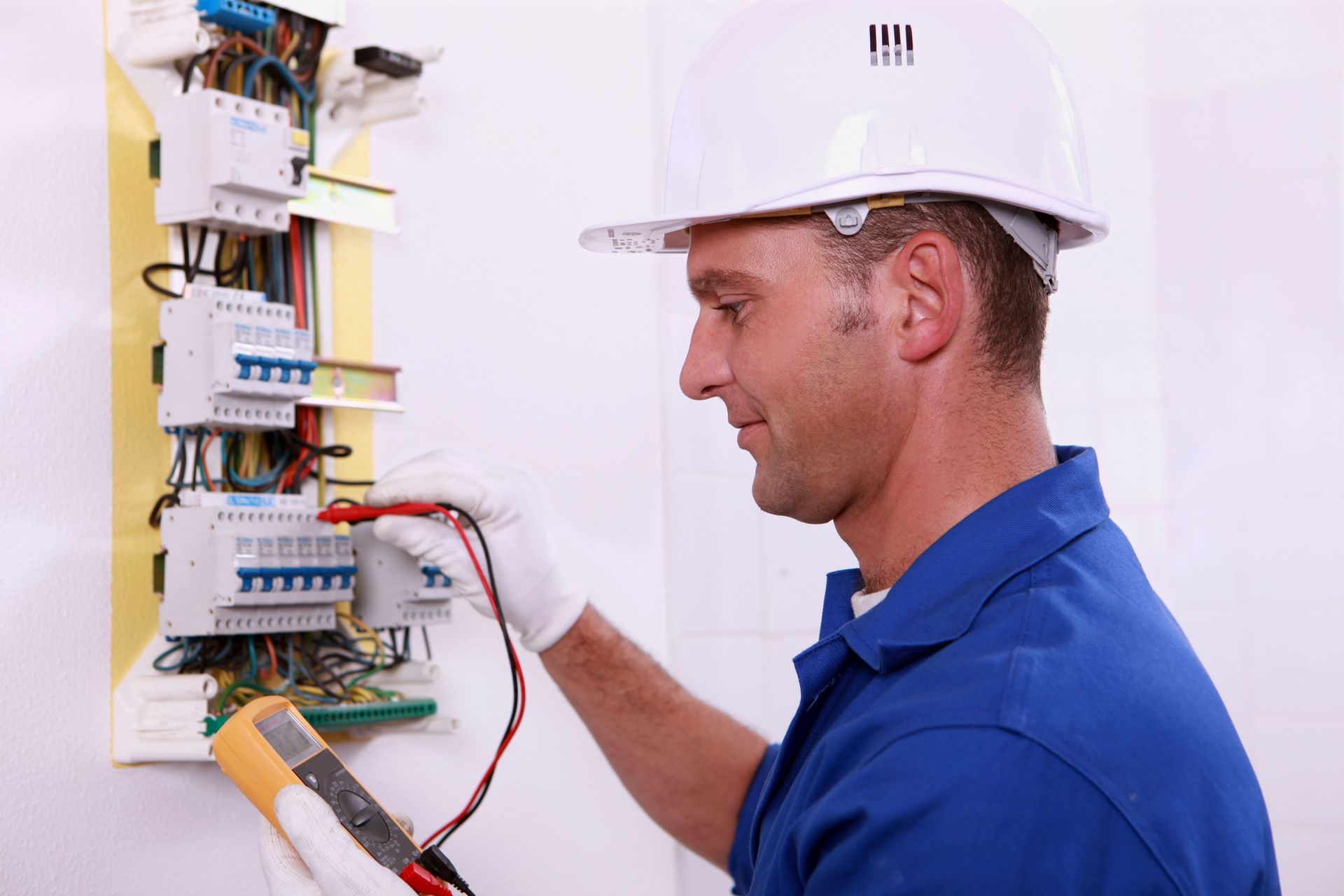
When electrical problems occur in commercial facilities, rapid diagnosis and repair are essential to minimize business disruption and prevent safety hazards from affecting employees and customers. Commercial electrical repairs require systematic troubleshooting approaches that can identify issues within complex systems involving numerous circuits, panels, motors, controls, and interconnected equipment. A commercial electrician uses specialized diagnostic equipment and extensive knowledge of commercial systems to efficiently locate problems that might stump less experienced electricians.
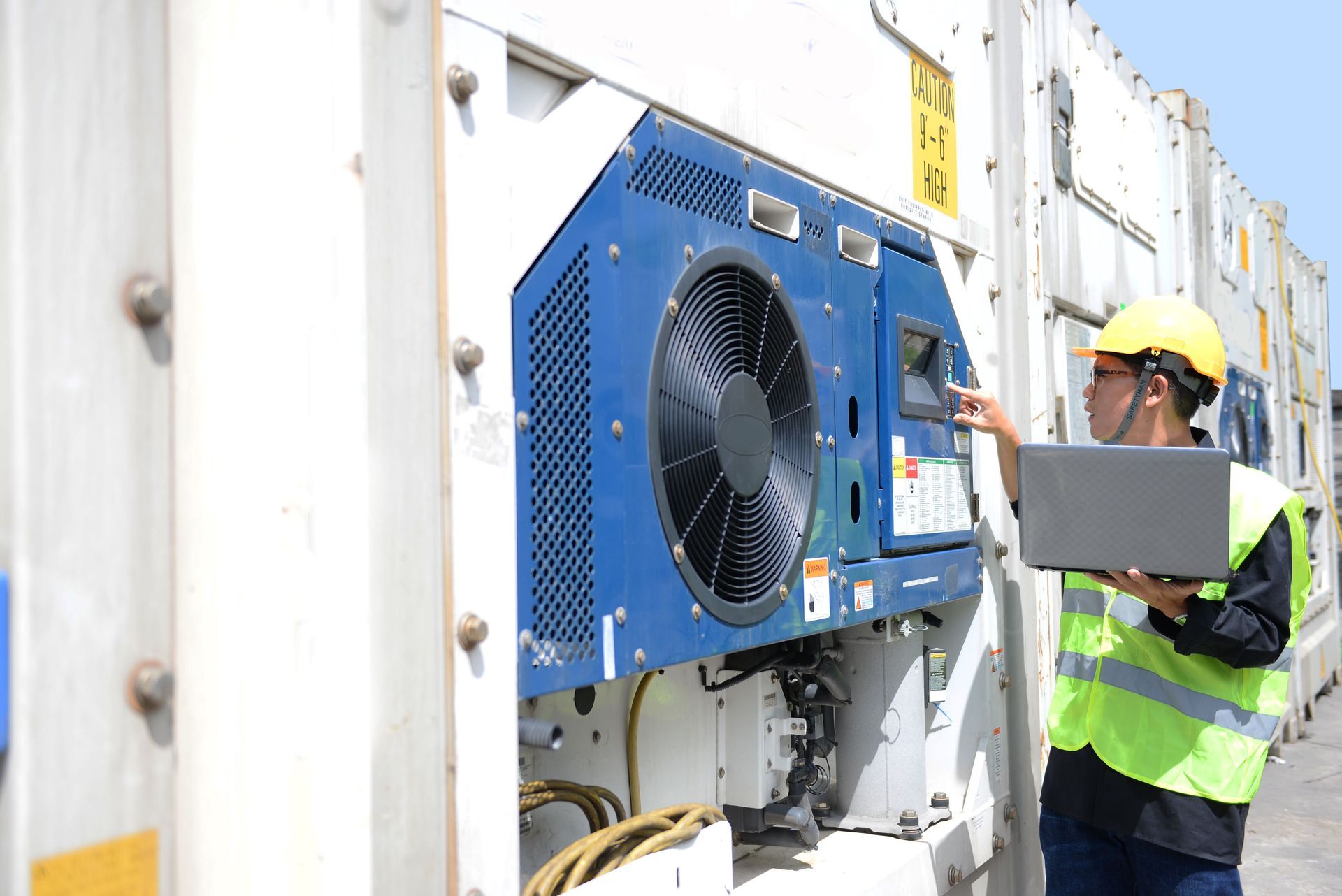
Modern commercial facilities increasingly rely on sophisticated electrical control systems that automate operations, improve efficiency, and integrate various building systems for centralized management. These electrical control systems might include programmable logic controllers that manage manufacturing equipment, building automation systems that control HVAC and lighting, or specialized controls for specific processes and operations. An electrician with expertise in control systems can install, program, troubleshoot, and modify these complex systems that residential electricians rarely encounter.
Ensuring Code Compliance and Safety
Commercial electrical installations must comply with extensive code requirements that protect building occupants, neighboring properties, and the broader electrical grid from hazards. A commercial electrician stays current with National Electrical Code requirements, local amendments, and industry standards that govern commercial installations and differ significantly from residential codes. Working with licensed, bonded, and fully insured professionals provides protection and accountability that's essential when dealing with the elevated risks of commercial electrical work.
Electrical emergencies in commercial facilities can't wait for regular business hours, as they often pose immediate safety risks or cause critical business operations to halt completely. Emergency industrial electrical services provide the immediate response businesses need when critical systems fail outside normal business hours or when problems threaten safety or operations. Having access to qualified professionals who can respond quickly to emergency situations minimizes downtime, prevents secondary damage, and restores normal operations as rapidly as possible.
Upgrading Outdated Electrical Infrastructure
Many older commercial buildings operate with electrical systems that were adequate when installed but no longer meet the power demands of modern equipment and technology. A professional electrician can evaluate existing systems, identify deficiencies and safety concerns, and design upgrades that bring facilities up to current standards and capacity requirements. These upgrades might involve replacing outdated panels, adding circuits to handle increased loads, improving grounding systems, or completely redesigning distribution to accommodate new equipment and operational needs.
Regular preventive maintenance by qualified commercial electricians helps identify potential problems before they cause failures, ensuring electrical systems operate reliably and safely over their entire service life. These maintenance services include inspecting connections for signs of overheating, testing safety devices, checking for code violations, and identifying components that may be approaching the end of their useful life. Scheduled maintenance programs save businesses money by preventing emergency repairs, extending equipment life, and maintaining energy efficiency that degrades when systems aren't properly maintained.
Planning for Future Expansion and Modifications
Experienced electricians design and install systems with future growth and modifications in mind, understanding that business needs change over time and electrical systems must adapt accordingly. This forward-thinking approach involves installing adequate capacity in panels and circuits, positioning equipment for easy expansion, and documenting systems thoroughly for future reference. An electrician who considers long-term needs helps businesses avoid costly system replacements when operations expand or change, providing value that extends well beyond the initial installation.
The expertise of qualified electricians ultimately delivers value by creating electrical systems that operate efficiently, reliably, and cost-effectively over their entire service life. Professional commercial electrician services consider not just immediate installation costs but long-term factors like energy efficiency, maintenance requirements, system expandability, and operational reliability. Well-designed and properly installed commercial electrical systems minimize energy waste, reduce maintenance costs, prevent disruptive failures, and support business operations without creating limitations or problems.
Commercial electrical work requires a specialized skill set, extensive training, and practical experience that distinguishes it fundamentally from residential electrical services. The complexity of commercial systems, the critical nature of business operations, and the serious consequences of electrical failures all underscore why working with qualified commercial electrical professionals is essential rather than optional. When you need commercial electrical repairs, commercial lighting services, new build electrical services, electrical control systems, emergency industrial electrical services, lighting installation services, or any other commercial electrical work, Prime Service Electrical Contractors is ready to help. As licensed, bonded, and fully insured state-licensed contractors, we provide the expertise and reliability your business deserves, and we offer free estimates to help you plan your electrical projects effectively. For more information, contact us today!