April 1, 2026
The significaance and complexity of electrical systems in both commercial and residential settings are paramount to ensuring safety and efficiency. Understanding the differences between these two systems is crucial for professionals in the electrical field and for homeowners who want to maintain safe home environments. This article aims to explore and clarify the distinct characteristics that set commercial electrical systems apart from their residential counterparts, highlighting the importance of tailored electrical design and management for each setting.
Understanding Electrical Load Capacity
Electrical load capacity varies significantly between commercial and residential systems due to differing operational demands. Commercial buildings, often accommodating a variety of high-powered machinery and technology, require a larger load capacity than residential homes. These buildings necessitate advanced planning to accommodate fluctuating demands and prevent overloads. In contrast, residential electrical systems are typically designed with a consistent, lower energy consumption in mind. Understanding these differences enables the design of more effective and safer electrical systems tailored to each setting's unique needs.
While residential settings often deal with standard voltage requirements, commercial electrical systems encounter a broader range of electricity demands. According to Indeed, commercial electricians can work with extra high voltage systems that exceed 240 volts for large commercial buildings. Such systems are necessary to support heavy machinery, extensive lighting arrays, and HVAC systems frequently found in commercial setups. A qualified commercial electrical contractor must carefully calculate these load demands to prevent equipment damage and ensure safe distribution of power.
The implications of different load capacities extend beyond system design to impact the overall operational strategy of buildings. Higher load capacities in commercial businesses necessitate advanced monitoring and management systems to ensure optimal performance and safety. On the other hand, residential systems, with their generally lower load demands, prioritize user convenience and energy efficiency. Recognizing and addressing these capacity differences is essential for optimizing energy use and preventing potential hazards in each specific setting.
Equipment and Device Diversity
Commercial electrical systems must support a diverse array of equipment and devices compared to residential systems. In a commercial environment, varied machinery, computers, office equipment, and specialized appliances require electrical systems capable of handling diverse and simultaneous demands. This diversity translates into a need for more robust and flexible electrical planning. Residential systems, however, often focus on consistency and ease of use, dealing primarily with basic household appliances and entertainment electronics.
The diversity of equipment in commercial settings also impacts the strategies needed to manage power use efficiently. Commercial systems often employ advanced automation and control solutions to handle the differences in equipment demands. This is essential to prevent overloads and ensure ongoing functionality, especially during peak usage times. In many projects, a commercial electrical contractor evaluates these equipment needs early in the design phase to ensure that circuits, panels, and transformers can handle operational requirements.
Balancing equipment diversity with system capacity in commercial settings requires innovative solutions and detailed planning. Beyond simply accommodating diverse devices, commercial systems must anticipate equipment changes and updates without compromising reliability or safety. As technological advancements alter the landscape of available equipment, electrical systems in commercial settings demand adaptability and scalability.
Peak Demand Variations
Peak demand variations present another crucial difference between commercial and residential electrical systems. Commercial settings often experience unpredictable, rapid shifts in power demand due to varying business operations and equipment use. This necessitates systems that can adapt quickly, maintaining consistent power supply and reducing the risk of interruptions. Residential systems, however, typically exhibit more predictable peaks, such as during morning routines or evening hours when families are home.
The implications of peak demand variations require strategic solutions such as load shedding and energy storage systems for commercial setups. These strategies help manage electricity usage dynamically, improving both operational efficiency and cost savings. A commercial electrical contractor may integrate advanced load monitoring systems that track energy usage patterns and automatically redistribute power during periods of high demand.
Effective handling of peak demands not only ensures continued functionality but also enhances safety and reduces operational costs. In commercial contexts, addressing peak variability requires advanced technology solutions and strategic planning to prevent system overloads. Residential systems benefit from energy storage options and scheduling devices to shift load away from peak times.
Types of Wiring
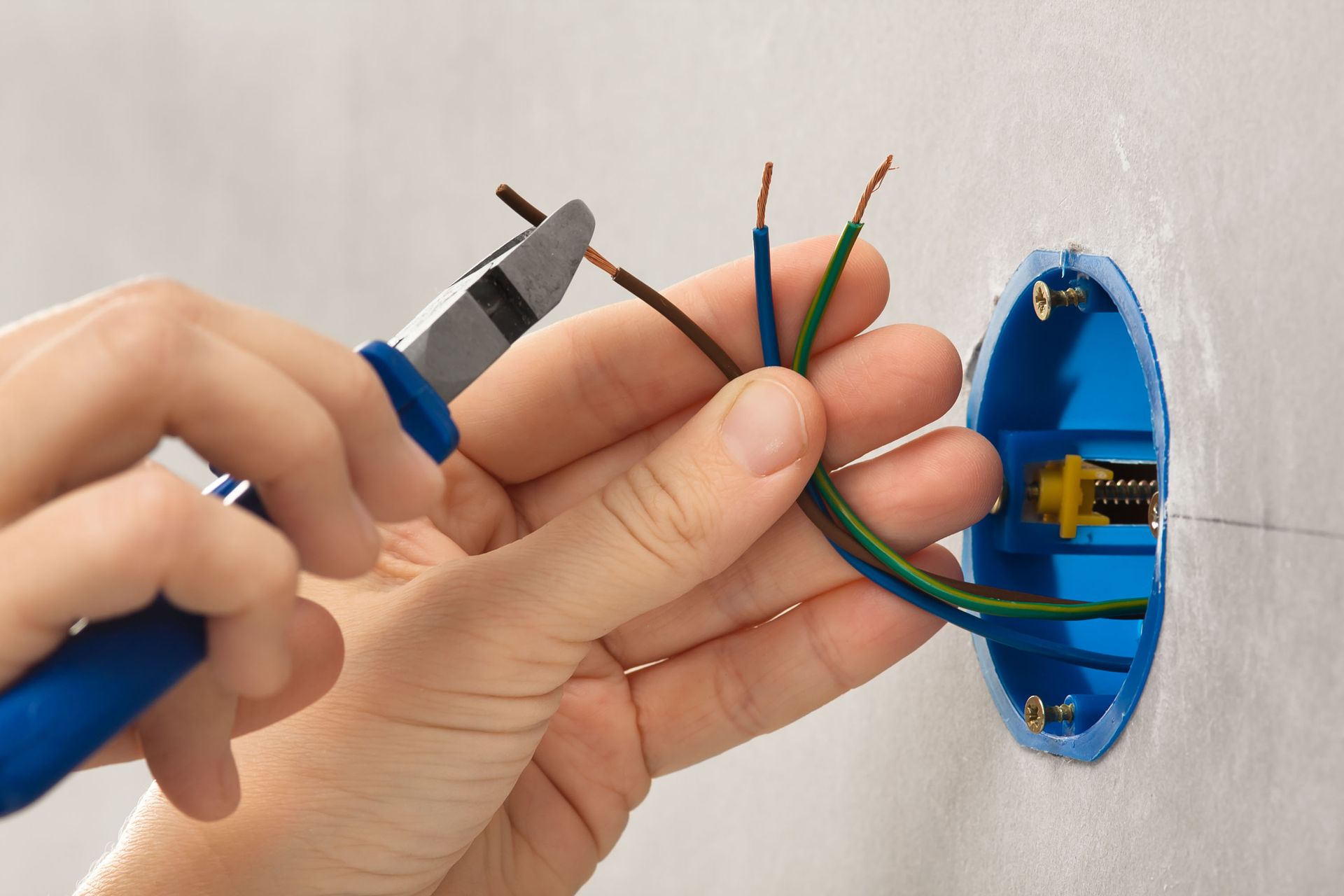
The types of wiring used differ significantly between commercial and residential electrical systems, tailored to meet their specific needs. In commercial systems, wiring must accommodate large loads and high-frequency use, often necessitating the use of heavier gauge wires. These systems may also employ advanced technologies such as fiber optics to support office communications and data transmission. Residential systems, on the other hand, use simpler wiring, often within walls, to align with home design aesthetics and lower power requirements.
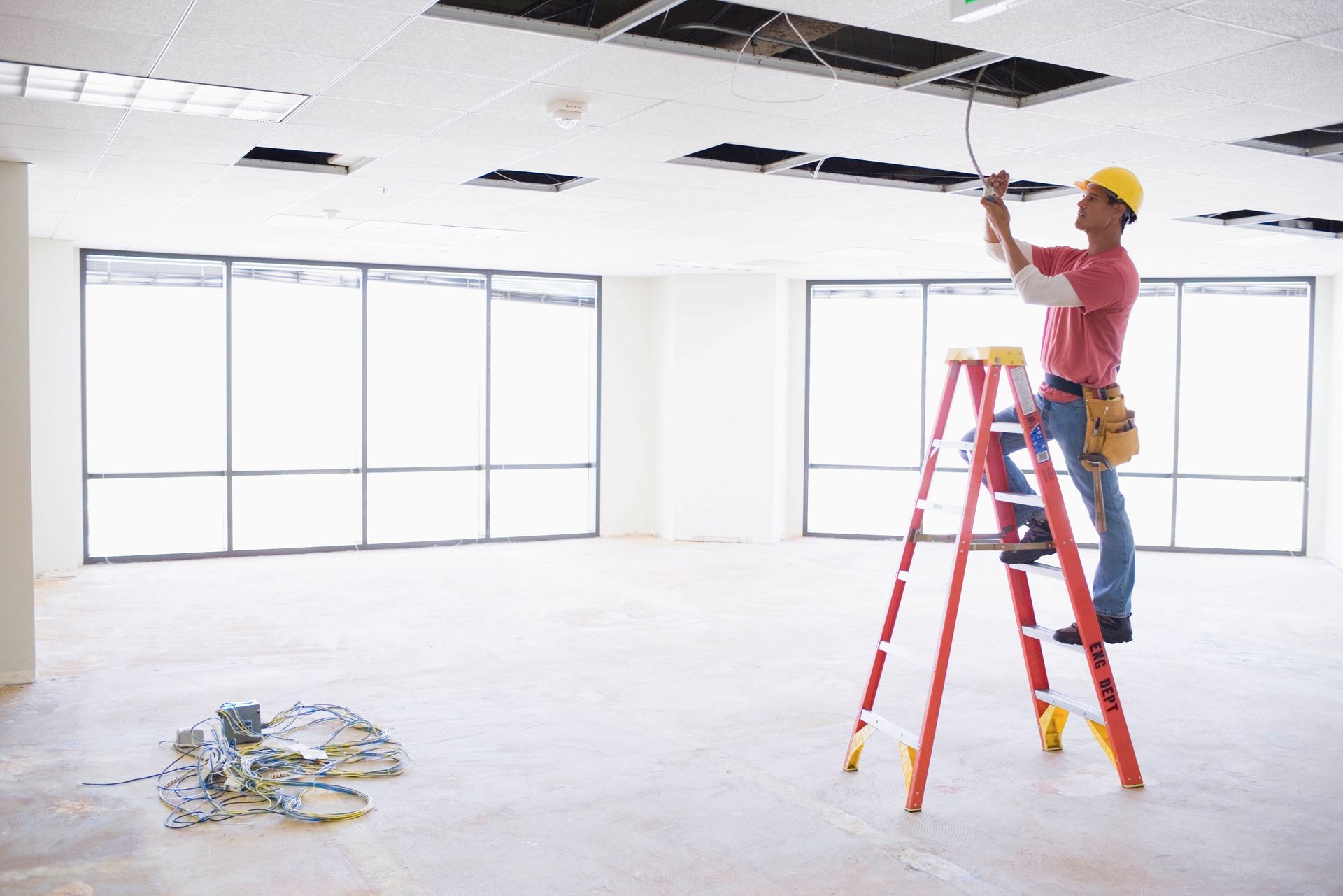
Commercial buildings require a complex network of cables capable of supporting diverse and high-power consumption devices. This often involves not only standard electrical wiring but also specialized types such as telecommunications and networking cables. In many cases, a commercial electrical contractor works alongside engineers and building planners to coordinate electrical wiring with communication and technology infrastructure.
The selection of appropriate wiring types in each environment significantly impacts both safety and system efficiency. Commercial systems undergo rigorous testing and certification to ensure compliance with safety standards, while residential wiring focuses on simplicity, reliability, and long-term safety for homeowners.
Material Durability and Standards
Material durability and adherence to standards are critical aspects that delineate commercial from residential electrical systems. Commercial environments require materials that can withstand heavy usage, environmental wear, and potential exposure to harsh conditions. Therefore, they use more durable materials and robust insulation to meet rigorous industry standards. Residential electrical systems focus more on safety, cost-effectiveness, and ease of installation.
Ensuring durability in commercial systems often involves selecting materials with superior thermal resistance, physical robustness, and chemical intrusion protection. These properties extend the lifespan and reliability of electrical installations in demanding settings such as factories and commercial offices. Because of these performance demands, a commercial electrical contractor typically selects materials that meet strict commercial-grade requirements and regulatory guidelines.
The establishment of material standards for electrical systems plays a crucial role in guiding installations across both commercial and residential settings. Regulatory bodies create guidelines that ensure materials perform safely under expected conditions and electrical loads.
Conduit and Raceway Systems
Conduit and raceway systems play a significant role in commercial electrical system installations. These systems protect electrical wires from physical damage, which is critical in environments where wiring may be exposed or subject to frequent changes. Commercial installations often employ metal conduits such as Electrical Metallic Tubing (EMT) or Rigid Metal Conduit (RMC) for increased durability.
Beyond protective capabilities, conduits and raceways in commercial settings facilitate efficient upgrades and modifications. Businesses often evolve and require additional equipment, making adaptable wiring pathways essential. A commercial electrical contractor may design conduit layouts that allow future expansion without requiring major structural modifications.
In addition to protection, the choice of conduit and raceway systems impacts the overall safety and reliability of electrical installations. Proper installation helps reduce fire hazards and ensures that wiring remains secure and compliant with building codes.
Understanding the unique demands of commercial and residential electrical systems enables professionals to design reliable and scalable infrastructure. With careful planning, innovative technology, and the expertise of a commercial electrical contractor, modern buildings can achieve safer, more efficient, and future-ready electrical systems. Contact Prime Service Electrical Contractors today to schedule a consultation and let our team deliver reliable electrical solutions tailored to your commercial project.