June 18, 2026
Modern industrial facilities rely on interconnected electrical infrastructure to keep production lines, automation equipment, safety systems, and distribution networks operating efficiently. From manufacturing plants to logistics hubs, these environments demand precision, technical expertise, and rapid problem-solving to minimize downtime and maintain productivity. An industrial electrician plays a central role in managing these demanding systems while ensuring compliance, reliability, and workplace safety.
Industrial electrical systems are becoming increasingly sophisticated as companies adopt automation, smart monitoring tools, and energy-efficient technologies. According to projections from the EIA, the United States is expected to experience its largest four-year increase in electricity demand since 2000 between 2026 and 2029. As facilities consume more power and integrate more advanced equipment, skilled electrical professionals are becoming even more critical to long-term operational success.
Diagnosing Electrical Challenges
Complex systems often involve thousands of interconnected components operating simultaneously across large facilities. Electrical faults can emerge from overloaded circuits, damaged wiring, outdated control panels, environmental exposure, or equipment malfunctions. Diagnosing the root cause requires technical knowledge, advanced testing equipment, and a systematic troubleshooting process.
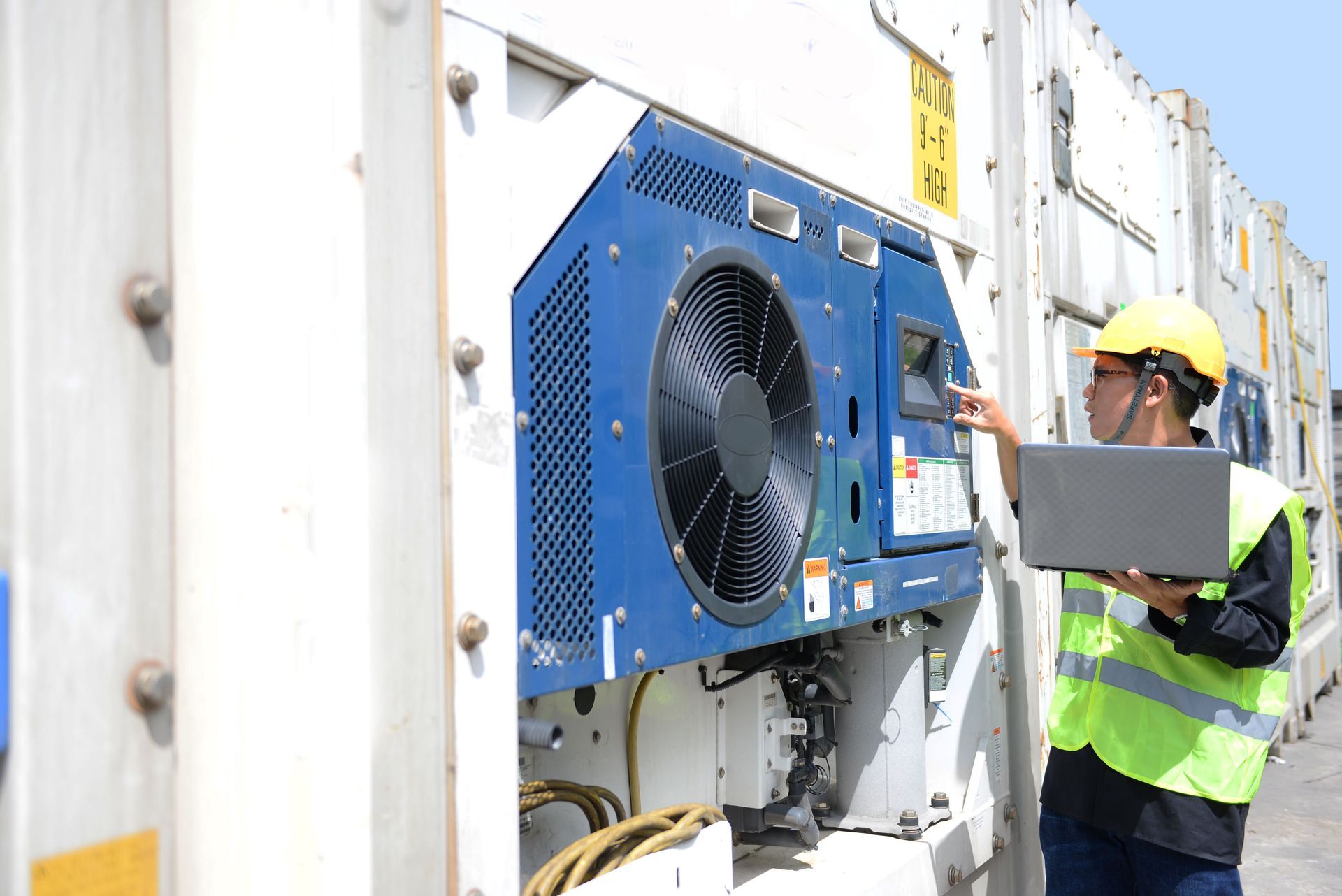
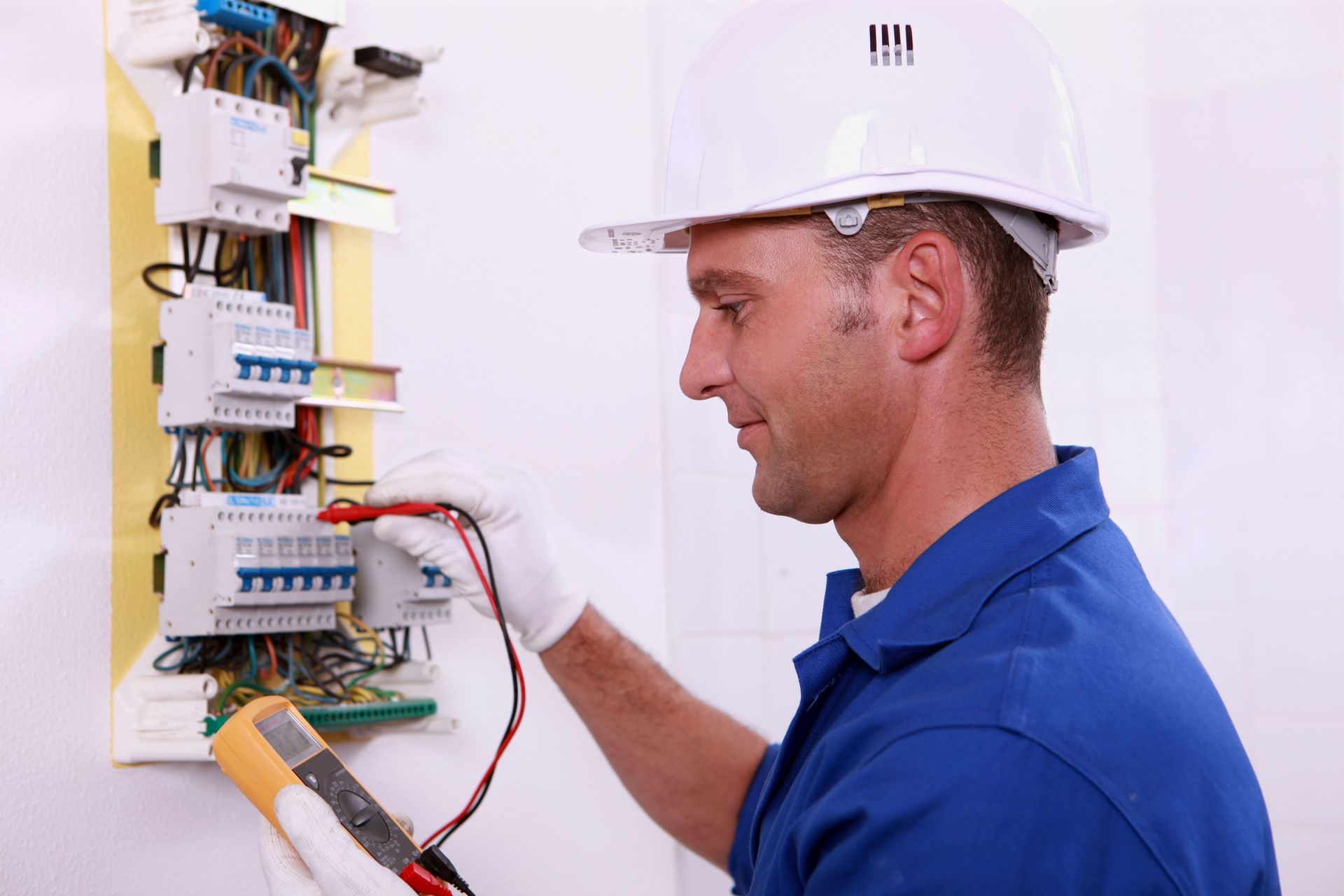
An industrial electrician begins by evaluating schematics, reviewing maintenance records, and inspecting system performance data. Thermal imaging devices, multimeters, power analyzers, and programmable logic controller diagnostics help identify abnormalities without unnecessarily shutting down operations. In high-output facilities, even a brief interruption can lead to major financial losses, so accuracy and efficiency are essential during troubleshooting.
Many industrial settings contain sensitive machinery that depends on stable voltage and consistent power quality. Unexpected fluctuations can damage expensive equipment or disrupt automated production lines. An industrial electrician must understand how different components interact so they can isolate faults without affecting surrounding systems. This requires not only electrical expertise but also familiarity with mechanical systems, communication networks, and industrial automation technologies.
Safety remains a top priority throughout the diagnostic process. Lockout/tagout procedures, arc flash protection, and regulatory compliance measures protect workers and equipment during inspections and repairs. In hazardous environments such as chemical processing plants or heavy manufacturing facilities, electrical professionals must also account for moisture, dust, vibration, and explosive atmospheres that can compromise system integrity.
Designing Reliable Infrastructure
Industrial facilities cannot rely on outdated electrical infrastructure when production demands continue to grow. Expansion projects, equipment upgrades, and automation initiatives require carefully planned electrical systems capable of supporting both current and future operational needs. Designing reliable infrastructure involves balancing performance, efficiency, safety, and scalability.
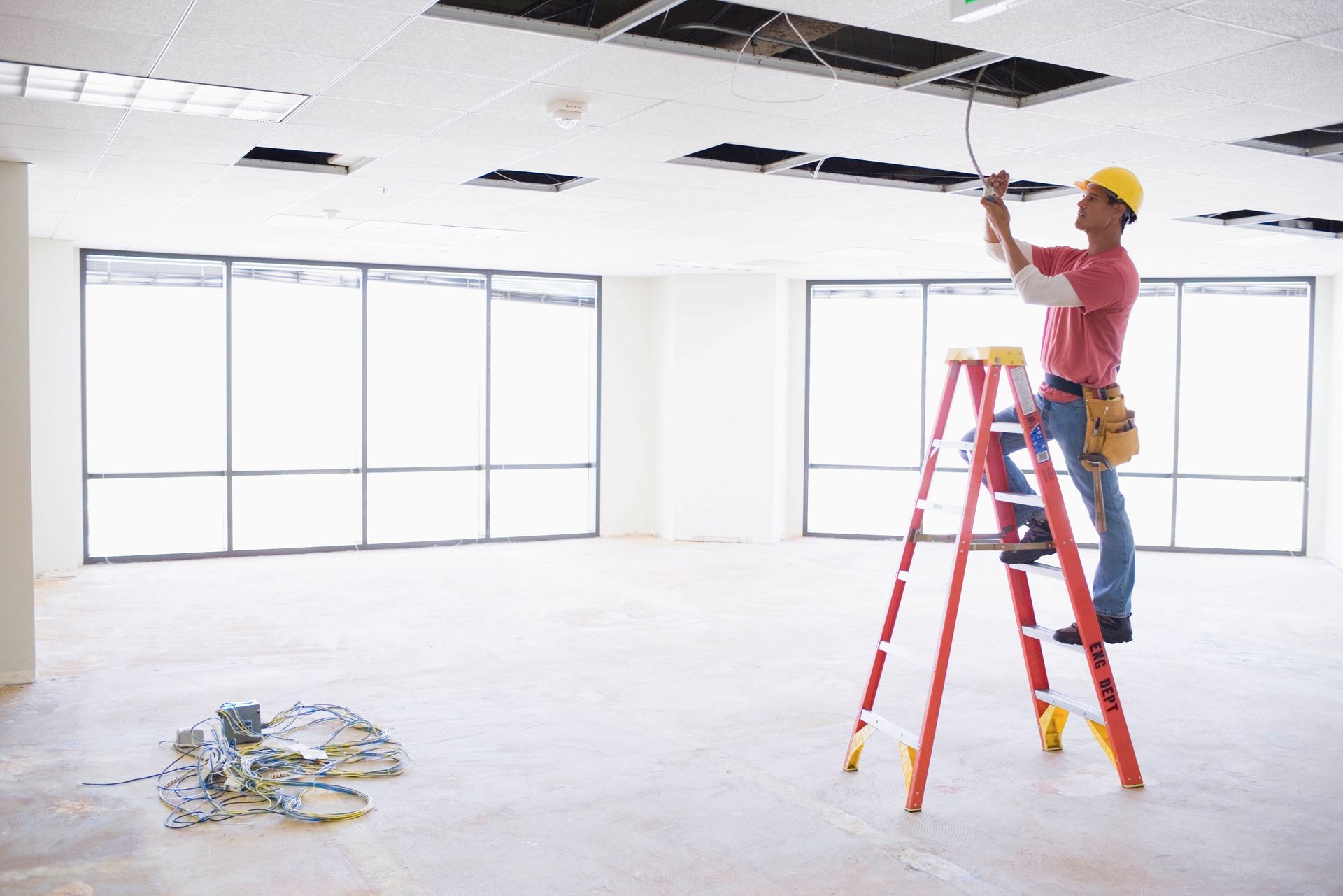
An industrial electrician often collaborates with engineers, project managers, and facility operators during planning and installation phases. Together, they determine load requirements, select appropriate distribution equipment, and ensure systems comply with industry regulations and local electrical codes. Proper planning prevents overload conditions, unnecessary downtime, and expensive redesigns later in the project lifecycle.
Facilities that integrate robotics, conveyor systems, and advanced automation technologies require especially precise electrical coordination. An electrician may install motor control centers, programmable controllers, backup power systems, and monitoring equipment that support seamless operation across multiple departments. These systems must communicate effectively while maintaining stable power distribution throughout the facility.
Energy efficiency has also become a major consideration in modern industrial design. Rising electricity demand and higher operational costs are pushing organizations to adopt energy-conscious strategies that reduce waste without sacrificing productivity. Electrical professionals may recommend upgraded transformers, efficient lighting systems, variable frequency drives, or automated monitoring systems that improve performance while lowering overall energy consumption.
Another critical part of infrastructure design involves redundancy planning. Facilities that depend on continuous operation often install backup generators, uninterruptible power supplies, and secondary distribution pathways to maintain operations during outages or equipment failures. Careful design helps organizations avoid catastrophic interruptions that could halt production or damage valuable inventory.
Coordinating Automated Systems
Automation has transformed industrial operations by improving speed, consistency, and efficiency. However, these advancements also create more complicated electrical environments that require specialized expertise to manage effectively. Coordinating automated systems demands a deep understanding of both electrical distribution and integrated control technologies.
An industrial electrician frequently works with programmable logic controllers, sensors, robotic equipment, and machine communication networks. These systems must function together seamlessly to maintain synchronized operations across production lines. Even a minor configuration issue can disrupt workflows, reduce efficiency, or create safety hazards for workers on the floor.
Industrial automation depends heavily on precise timing and communication between components. Electrical professionals must understand how control panels, motors, drives, and network systems interact in real time. During installation or upgrades, they test system responsiveness, verify signal integrity, and calibrate equipment to ensure dependable performance under demanding operating conditions.
An industrial electrician also plays an important role during system modernization projects. Older facilities often combine legacy equipment with newer automation technologies, creating compatibility challenges that require careful integration. Updating these environments without interrupting production requires strategic planning and detailed execution. Electrical professionals may phase installations over multiple stages, coordinate shutdown schedules, and perform extensive testing before systems go live.
Cybersecurity has become another important concern in automated industrial environments. Connected control systems can create vulnerabilities if not properly secured. Electrical teams increasingly work alongside information technology specialists to help protect operational systems from unauthorized access, communication failures, and data-related disruptions that could compromise production.
Maintaining Operational Continuity
Preventive maintenance is one of the most effective ways to reduce costly electrical failures in industrial settings. Rather than waiting for breakdowns to occur, facilities invest in ongoing inspections and maintenance programs designed to identify issues before they escalate into major disruptions. Consistent maintenance helps improve reliability, extend equipment lifespan, and support safer working conditions.
An industrial electrician performs routine inspections on switchgear, transformers, motors, breakers, and control systems to verify proper operation. These inspections often include thermal scanning, insulation testing, vibration analysis, and load monitoring. Detecting wear early allows facilities to replace failing components before they trigger system-wide problems.
Downtime can have significant financial consequences in manufacturing and industrial operations. Production delays, damaged inventory, missed deadlines, and labor inefficiencies can quickly escalate operational costs. An electrician helps minimize these risks by responding rapidly to electrical issues and implementing proactive maintenance strategies that improve overall system stability.
Maintenance responsibilities also include keeping facilities compliant with evolving safety standards and regulatory requirements. Electrical systems must meet strict operational guidelines to protect workers and maintain insurance and inspection compliance. Regular testing and documentation ensure equipment continues operating within approved safety parameters.
Training and communication are equally important in maintaining continuity. Electrical professionals often work closely with maintenance teams, machine operators, and supervisors to educate staff about warning signs, emergency procedures, and safe operating practices. Clear communication helps facilities respond more effectively when issues arise and supports a culture of operational safety throughout the organization.
As industrial technology continues advancing, predictive maintenance tools are becoming increasingly valuable. Smart sensors and remote monitoring systems can track equipment performance in real time and alert teams to abnormalities before failures occur. These technologies allow facilities to schedule repairs strategically and reduce unexpected downtime that disrupts productivity.
Industrial facilities depend on skilled electrical professionals to keep increasingly sophisticated systems operating safely and efficiently. From diagnosing faults and coordinating automation to designing infrastructure and supporting preventive maintenance, every aspect of modern industrial operations requires technical precision and strategic planning. An
industrial electrician provides the expertise necessary to manage these challenges while helping facilities improve reliability, safety, and long-term performance.
If your facility requires dependable electrical expertise for complex industrial systems, Prime Service Electrical Contractors is ready to help. Our experienced team understands the demands of modern industrial operations and delivers solutions tailored to your operational goals. Contact us today to strengthen system reliability, reduce downtime, and support your facility's growth.