June 2, 2026
Electrical downtime can affect nearly every part of a business. When power interruptions, overloaded circuits, equipment failures, or unsafe wiring problems occur, operations may slow down or stop completely. For offices, warehouses, retail stores, medical facilities, restaurants, manufacturing spaces, and other commercial properties, even a short disruption can impact employees, customers, inventory, security systems, and revenue. That is why electrical reliability should be treated as an essential part of business planning.
A commercial electrical contractor helps prevent downtime by keeping systems safe, efficient, and prepared for daily demand. From inspections and maintenance to upgrades and emergency planning, professional electrical service reduces the risk of unexpected failures. By addressing problems before they interrupt operations, businesses can protect productivity, support safety, and keep critical systems running when they are needed most.
Inspecting Electrical Systems
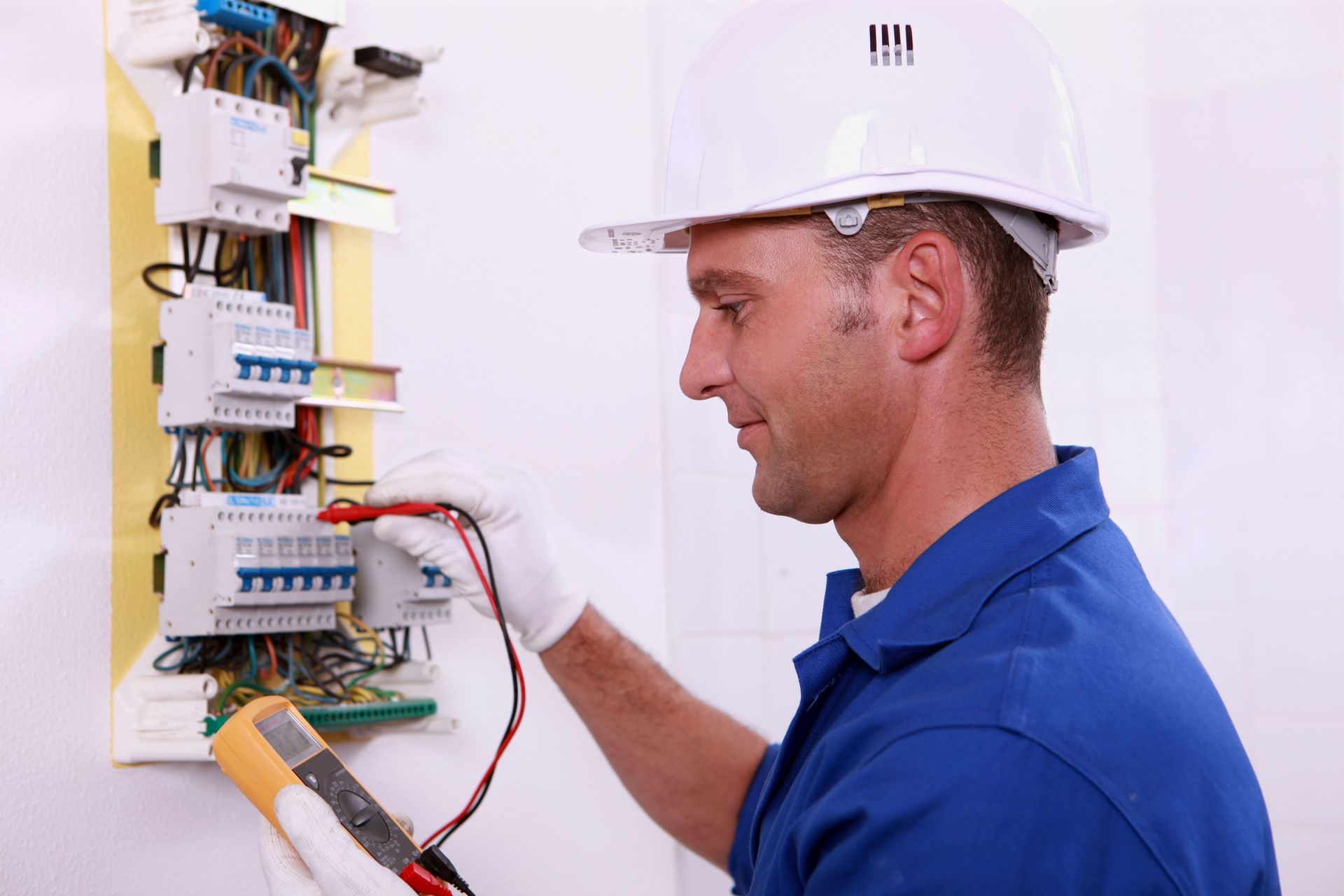
Routine inspections are one of the most important ways to prevent downtime. Commercial electrical systems often support lighting, computers, HVAC equipment, refrigeration, production machinery, security systems, elevators, and specialized devices. Over time, wear, heat, loose connections, aging parts, and increased demand can create hidden risks. Regular inspections help identify these concerns before they lead to outages or unsafe conditions. Catching electrical issues early can also help businesses avoid expensive emergency repairs, equipment damage, and disruptions that affect employees, customers, and overall productivity.
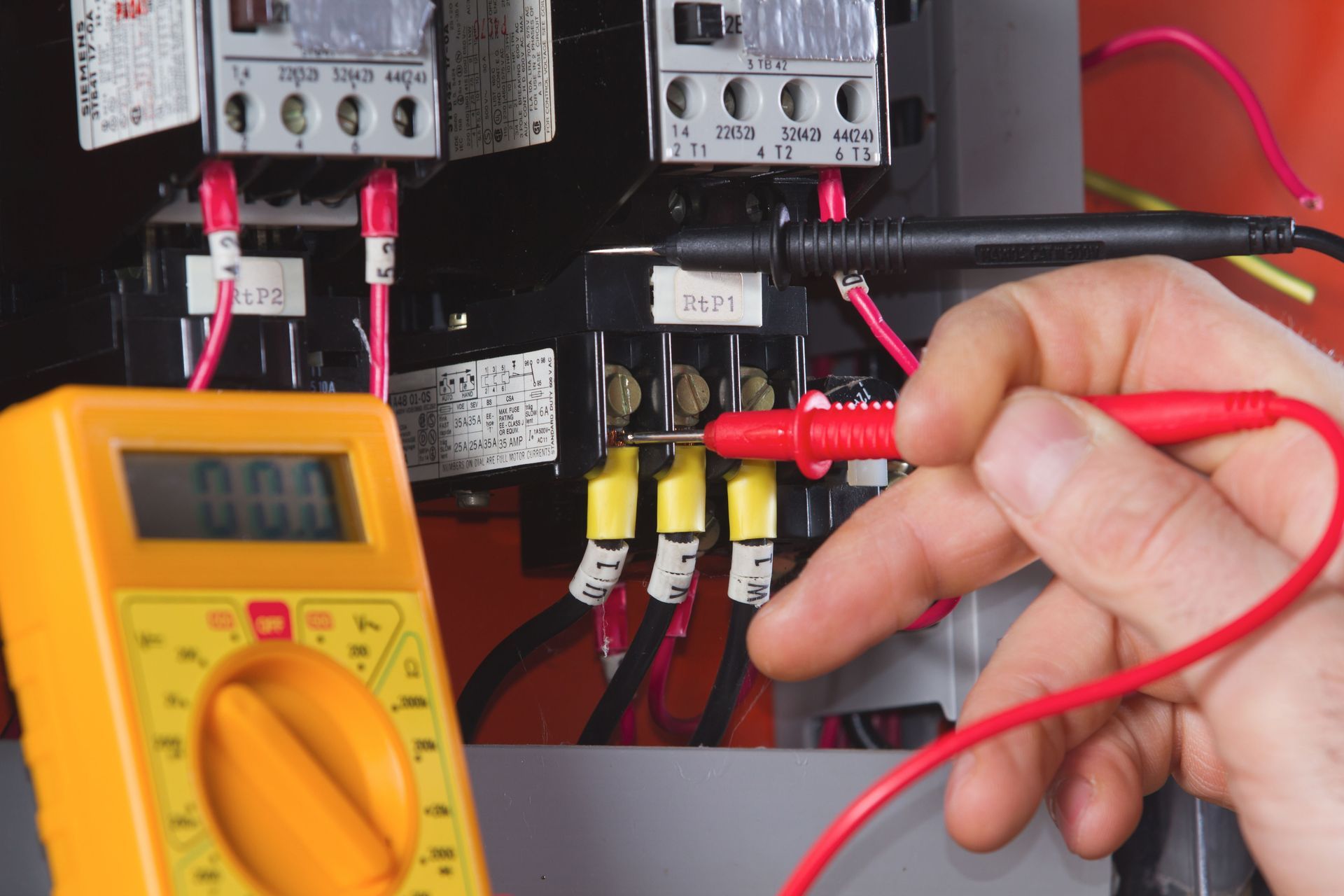
During an inspection, a commercial electrical contractor can evaluate panels, breakers, wiring, outlets, grounding, lighting systems, equipment connections, and code compliance. This process helps business owners understand the condition of their electrical system and plan repairs or upgrades before failures happen. Preventive inspections are especially valuable for older buildings, expanding businesses, and properties with high electrical demand. Detailed inspections may also reveal opportunities to improve energy efficiency, reduce strain on equipment, and support safer daily business operations throughout the property.
Maintaining Critical Equipment
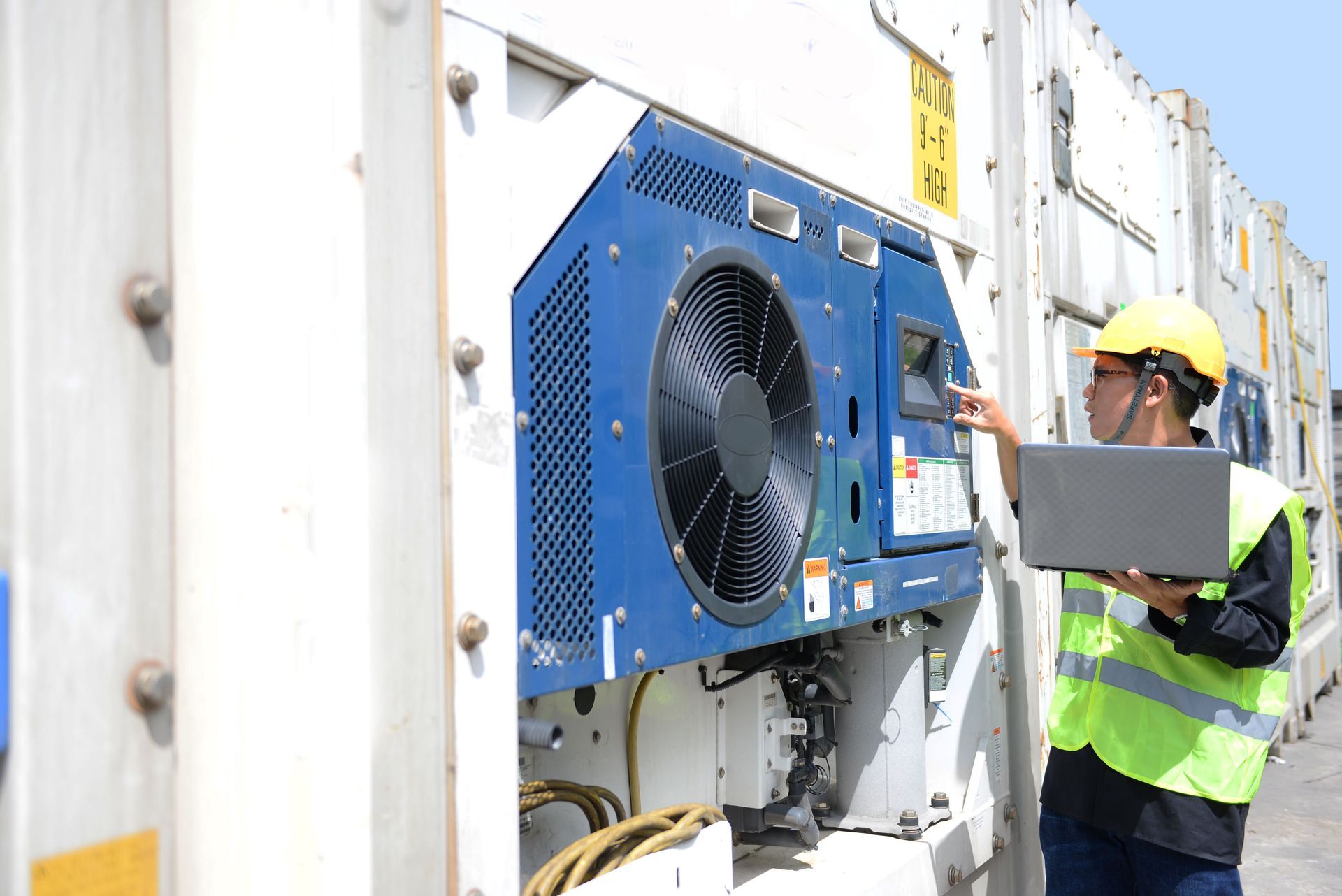
Electrical equipment needs regular care to perform reliably. Panels, switchgear, transformers, breakers, generators, lighting controls, and dedicated equipment circuits can all wear down over time. Dust, vibration, heat, moisture, and heavy use may affect performance. Without maintenance, small issues can become serious enough to interrupt operations or damage connected equipment. Routine service can also help identify aging components before they fail and create unexpected disruptions within the workplace.
Preventive maintenance helps extend the life of electrical components and reduce unexpected service calls. A trained professional can tighten connections, check loads, test breakers, inspect wiring, clean components, and look for signs of overheating or corrosion. These steps help keep systems operating safely and efficiently. For businesses that depend on continuous power, scheduled maintenance is far less disruptive than emergency repairs. Consistent maintenance planning may also improve workplace safety and help businesses avoid costly interruptions during busy operating hours.
Upgrading Outdated Infrastructure
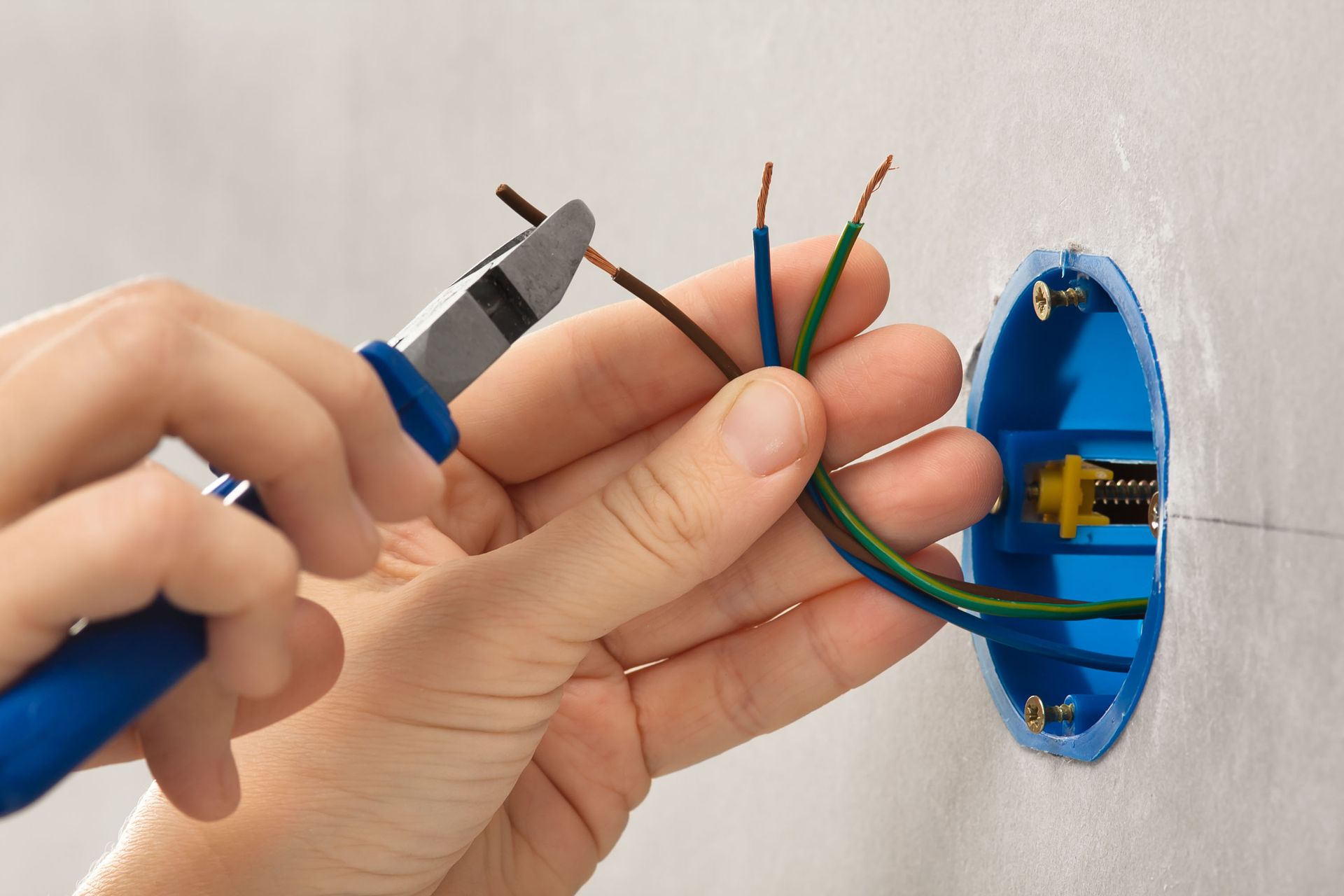
Older electrical systems may not be able to support modern business needs. Many commercial spaces now rely on computers, servers, high-efficiency HVAC systems, automated equipment, advanced lighting, charging stations, and security technology. If the building’s electrical infrastructure has not been updated, it may struggle to handle current demand. This can lead to tripped breakers, flickering lights, overheating components, or equipment shutdowns.
A commercial electrical contractor can determine whether panels, circuits, wiring, or service capacity need upgrades. According to Indeed, commercial electricians are qualified to handle high-voltage electrical systems above 240 volts that are commonly used in large commercial buildings. Because commercial systems can be complex and demanding, professional planning is essential. Proper upgrades help businesses add new equipment, expand operations, and reduce the risk of power-related interruptions.
Preventing Circuit Overloads
Circuit overloads are a common cause of electrical problems in commercial buildings. They occur when too many devices or systems draw power from the same circuit. This can cause breakers to trip, wires to overheat, or equipment to shut down unexpectedly. In busy workplaces, overloads can interrupt computers, machinery, lighting, point-of-sale systems, and other essential tools.
Preventing overloads starts with understanding how power is being used throughout the building. A professional can evaluate electrical loads, identify circuits under stress, and recommend dedicated circuits or panel improvements where needed. This helps distribute power more safely and efficiently. When electrical demand is balanced properly, the business is less likely to experience sudden shutdowns or repeated interruptions.
Supporting Backup Power
Power outages can happen because of storms, utility issues, construction accidents, equipment failures, or grid interruptions. For some businesses, even a brief outage can create major problems. Refrigerated products may be at risk, security systems may go offline, data may be interrupted, and customer service may stop. Backup power planning helps reduce the impact of these events.
A commercial electrical contractor can help businesses choose and install backup power systems such as generators, transfer switches, surge protection, and emergency lighting. These systems can keep critical operations running during outages or allow for a safer shutdown. Backup power is especially important for businesses that handle sensitive equipment, medical needs, food storage, communications, or security operations.
Improving Lighting Reliability
Lighting plays a larger role in business operations than many people realize. Poor or unreliable lighting can affect employee safety, customer experience, security, productivity, and visibility. In warehouses, parking lots, offices, retail areas, and industrial spaces, lighting failures can create hazards and slow down work. Flickering lights, burned-out fixtures, and outdated systems should not be ignored.
Professional lighting upgrades can improve reliability and reduce maintenance demands. LED fixtures, occupancy sensors, emergency lighting, exterior lighting, and updated controls can make the property safer and more efficient. A well-designed lighting system also reduces the chance of sudden dark areas or repeated fixture failures. Reliable lighting supports smoother daily operations and helps protect employees, visitors, and property.
Responding Quickly to Warning Signs
Many electrical failures show warning signs before a complete shutdown occurs. Burning smells, buzzing sounds, warm outlets, flickering lights, frequent breaker trips, equipment glitches, and discolored panels may indicate trouble. Ignoring these signs can increase the risk of downtime, damage, or safety hazards. Businesses should have a clear process for reporting and addressing electrical concerns quickly.
When warning signs appear, a commercial electrical contractor can troubleshoot the issue and make repairs before the problem becomes more disruptive. Fast response helps limit downtime and prevent damage to expensive equipment. It also gives business owners confidence that electrical concerns are being handled safely. Acting early is often the difference between a minor repair and a major operational interruption.
Planning for Future Growth
Businesses change over time. A company may add employees, install new equipment, expand production, remodel a space, open new workstations, or add technology. Each change can increase electrical demand. If growth is not planned carefully, the existing system may become overloaded or inefficient. Electrical planning helps ensure the building can support both current and future needs.
A commercial electrical contractor can help evaluate future power requirements before upgrades or expansions begin. This may include adding circuits, improving panels, installing dedicated equipment connections, or preparing for new technology. Planning ahead reduces the risk of delays during renovations and helps avoid costly rework. A future-ready electrical system supports business growth without unnecessary downtime.
Preventing electrical downtime requires regular inspections, proper maintenance, reliable equipment, smart upgrades, backup planning, and quick attention to warning signs. Businesses that take a proactive approach can reduce interruptions, protect employees, support customers, and keep essential systems operating smoothly. A dependable electrical system is not just a convenience; it is a foundation for safe and productive operations. Working with an experienced commercial electrical contractor can also help businesses prepare for future growth, changing electrical demands, and long-term operational reliability. To keep your business powered, protected, and prepared, contact Prime Service Electrical Contractors.